Sunday, July 30, 2006

80's overdose at S.D. Gay Pride


Recognize this face from the past?

I'll give you a few hints. This Long Island native exploded on to the pop music scene in the late 1980's with a No. 1 album (Electric Youth) and two No. 1 hits ("Foolish Beat" in 1988 and "Lost in Your Eyes" in 1989).

Yes, it's Deborah (Debbie) Gibson. She headlined the Saturday show at the main performance stage of the Gay Pride Festival.

For those who haven't kept up with her career, she has continued to produce music over the years and has appeared in a string of major Broadway shows.
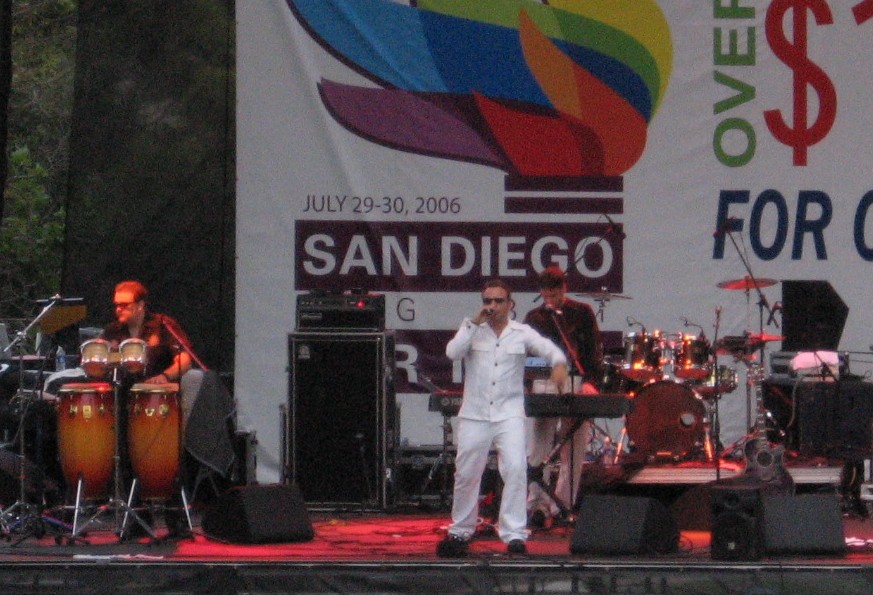
Also appearing on the same stage were recreations of the 80's New Wave one-hit-wonder groups When in Rome and A Flock of Seagulls.

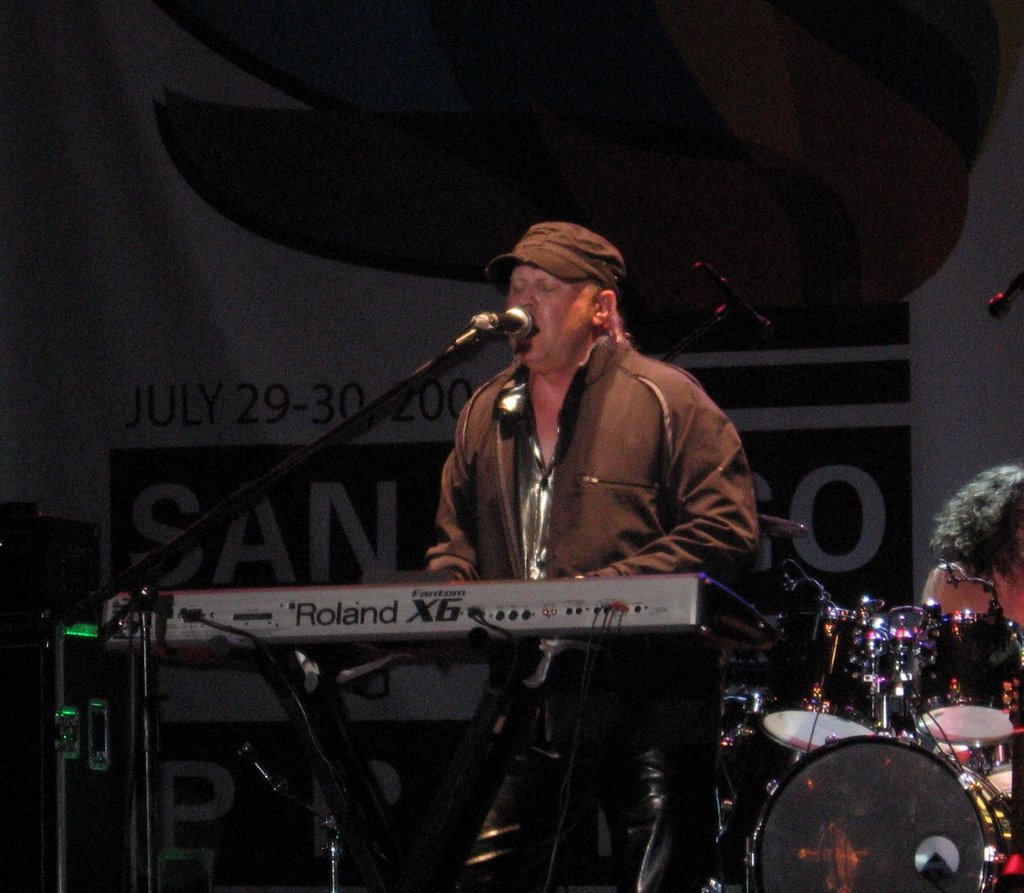
WIR (pictured above) was re-formed by the original keyboardist, Michael Floreale, with a new lead singer and two other new members after the group's only hit, "The Promise," was resurrected in last year's hit movie "Napoleon Dynamite."

WIR's new front man Jayden Frost (an actor/singer/former professional wrestler who hooked up with Floreale in Dallas) signed autographs after the show for fans who probably mistakenly thought they were meeting the group's original lead singer.
Mike Score, the only original member of A Flock of Seagulls.

Rex and his new toy.
Thursday, July 27, 2006

Neighborhood eateries returning to N.O.

Good news from Ian McNulty, food writer for New Orleans' weekly Gambit. He's written of late about the re-opening of numerous restaurants outside the tourist districts of the city.
Some of them, such as Elizabeth's in the Bywater and Juan's Flying Burrito in badly flooded Mid-City are among my favorite places to eat.

Eating out is a key element of life in New Orleans unlike most other places, such as San Diego, where dining at a restaurant is less a social affair and more a function of biology.

Check out Ian's take on the New Orleans eating scene here.

Saturday, July 15, 2006

L.A. Times gets it right

A sad feeling of familiarity washed over me as I read a great story in today's edition of the Los Angeles Times (read it here) about New Orleans' precarious and slow recovery from Hurricane Katrina.

The fact is scenes like this one above, which I photographed six months ago, still fill the city. Clearly not much has changed since I left New Orleans in late March for a new life in southern California.

Nearly everyone here thinks that life is largely back to normal in New Orleans and the rest of south Louisiana. And I suppose that's the same for most people in other parts of the country.

I know better, of course. There are still piles of garbage along the streets and huge clusters of flooded cars under elevated highways. The electricity still goes off periodically. The mail isn't yet reliable. Grocery stores and dry cleaners haven't reopened. As the L.A. Times says, the "new normal" in New Orleans is quite different from the normal the rest of us know.

Like many other friends of mine there, Tommy in the Bywater is trying to make the best of things. He's working like crazy to repair his flooded rental house and to deal with the fallout from a crooked contractor. In a recent email, he noted that his other rental property in an unflooded area of the city has risen in value. Despite all of the continuing problems - including the return of crime - neighbors are joining together in ways they never did before the storm to resurrect their communities. And some people who left are coming back because no other place feels like home.

"Everything isn't bad if you look at it honestly," Tommy wrote. "There is a lot of good life left in this city, but you have to look at it and acknowledge its presence."

I hope there are plenty more people like Tommy still out there.

Sunday, July 02, 2006

Playyyyyy ball!

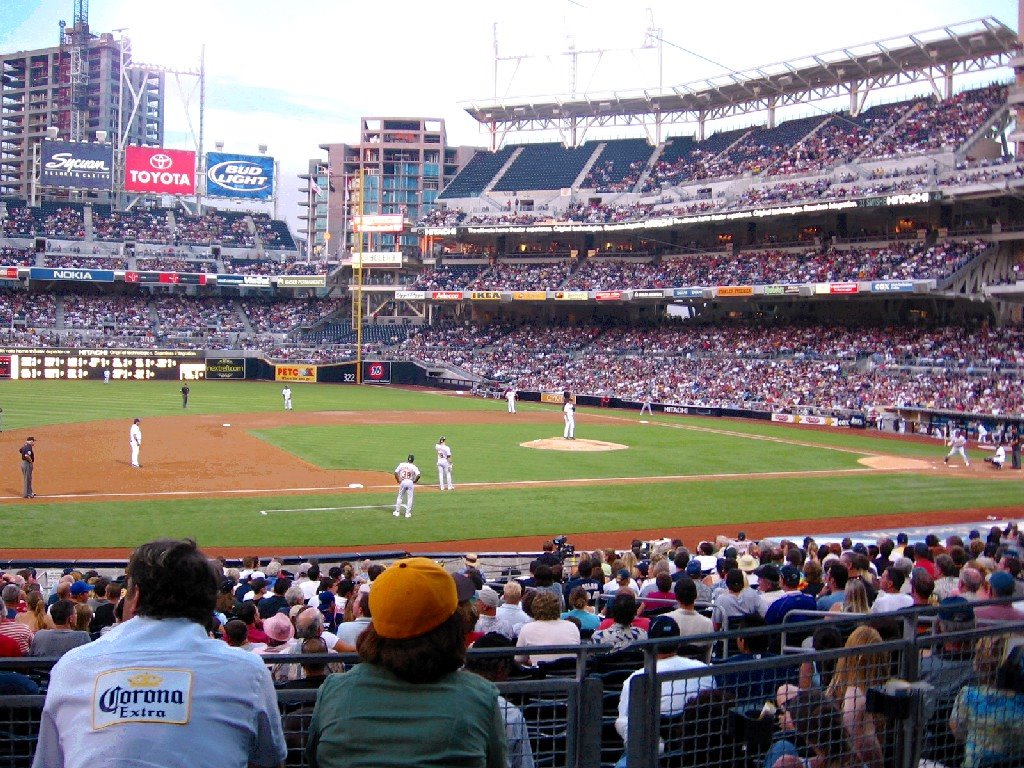
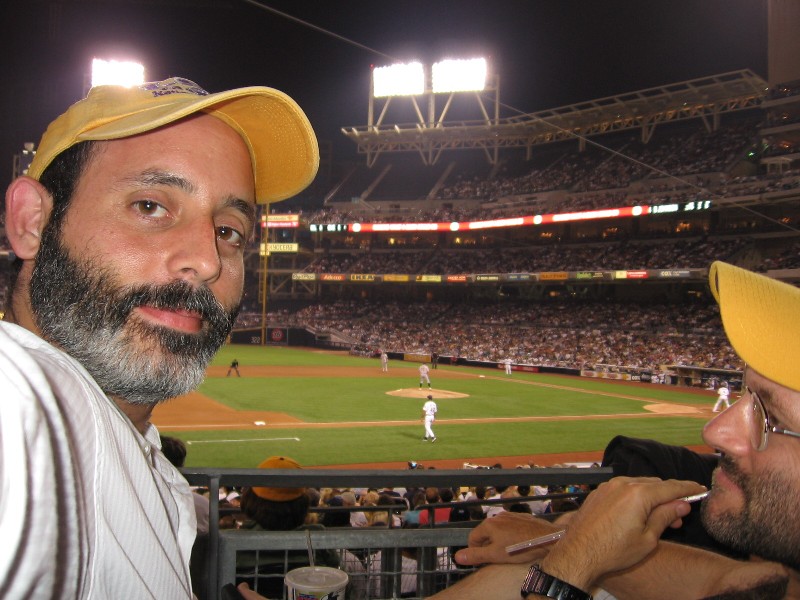
Went to my first Padres game last week and watched the local team beat the Oakland A's 3-0.

Being a typical Southern college football nut, I'm pretty much a pro-baseball novice (I'd previously been to three Astros games and one S.F. Giants game). But I really enjoyed myself and can easily imagine seeing more of the Padres.

Our seats were sweet - just behind third base at the bottom of the stadium's second tier.

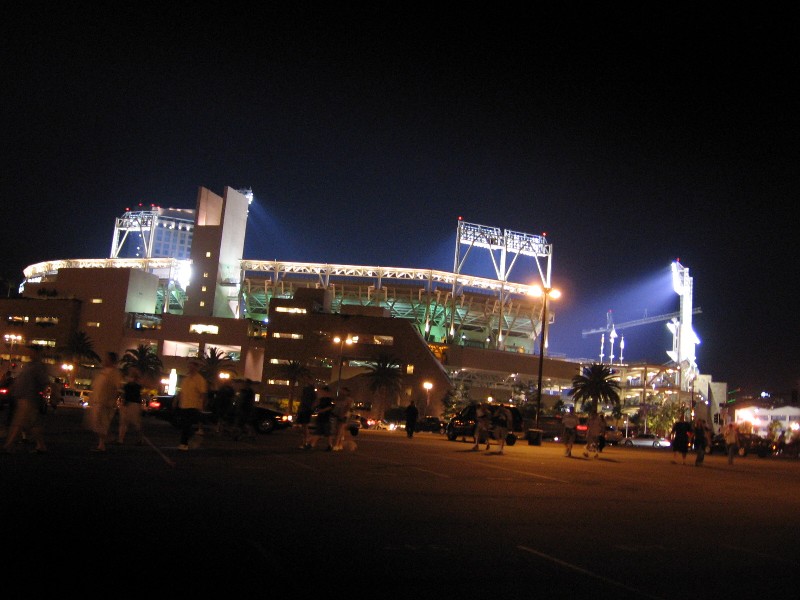
PETCO Park is only a few years old and has been hailed for incorporating a historic brick warehouse into its design. Up close, the stadium is quite nice - lots of landscaped terraces, open-air walking spaces and even a few water features. But outside from a distance, the stadium looks more like a parking garage than a sports venue.

Sunday, June 25, 2006

My new hood

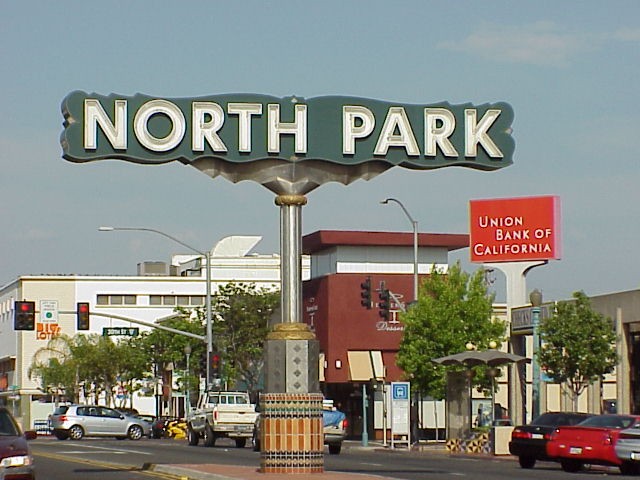
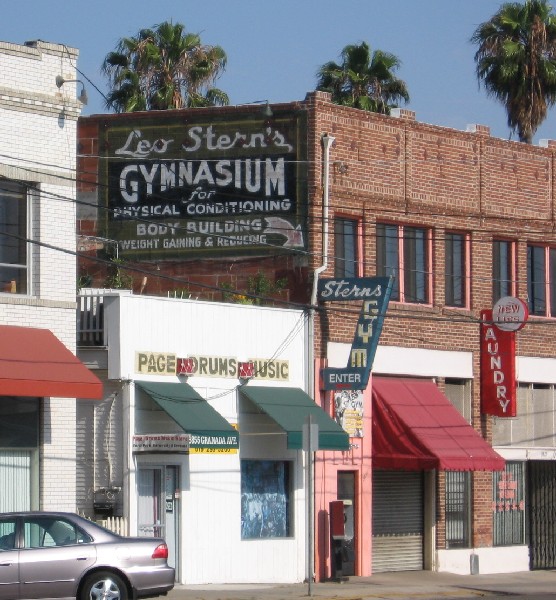
It's official. I'm now a resident of the epicenter of North Park, a quirky, bustling area caught between a multi-cultural past and a gentrified future.

One Web site describes North Park this way, "A hodgepodge of cozy, tidy pockets of Craftsman homes on the north edge of Balboa Park, dense apartments and pre-interstate retail stretches."

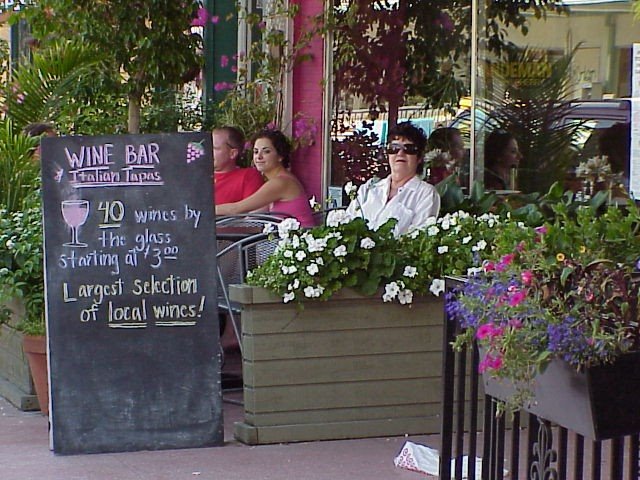
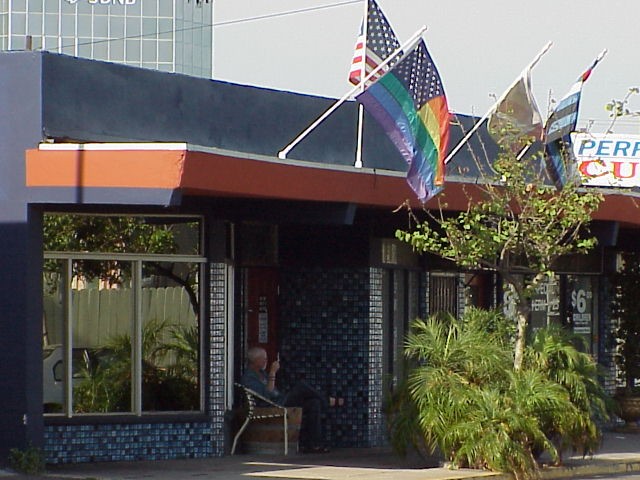
This is urban living at its best. I'm within two blocks of six coffee shops, more than a dozen restaurants (Chinese, Mexican, Thai, old-fashioned American, Italian, upscale fussion, organic/vegetarian - strangely missing is sushi), four gay bars, half a dozen dry cleaners, several thrift stores, a burgeoning art gallery row, two gyms, four banks, two full-scale grocery stores, a handful of churches and several bookstores including one run by the Sierra Club, a porn shop and a place called "Controversial Bookstore."

Adding to the eccentric charm are several second-hand stores and junk antique shops. The most recent sign of gentrification comes in the form of the renovated North Park Theater (pictured below), which is home to the Lyric Opera San Diego, a pricey restaurant and, not surprisingly, a Starbucks.

There's also a military surplus shop, at least one tattoo parlor and the San Diego County Adult Probation Services office. And in the middle of it all sits a BigLots!

The population is as diverse as the retail mix, perhaps more so than in any other neighborhood of the city.

Tragically, North Park was the site of the 1978 crash of a Boeing 727 jet that killed 135 passengers and seven on the ground. (San Diego's airport butts up against downtown, requiring planes to fly low over the central city. You can actually see high-rise office workers at their desks as you come in for landing.)

North Park feels more familiar to me than any other part of the city. That's probably because it reminds me of my favorite New Orleans neighborhoods - the Bywater and parts of Magazine Street in Uptown. I think I'm going to like it here.

Pride TJ style

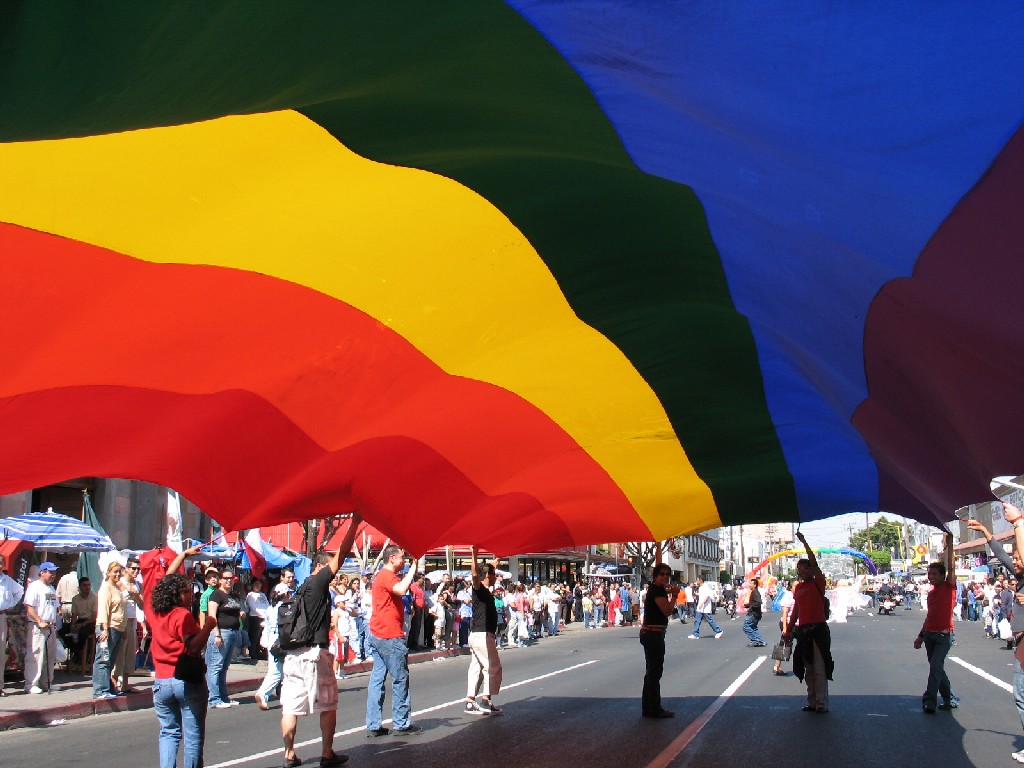
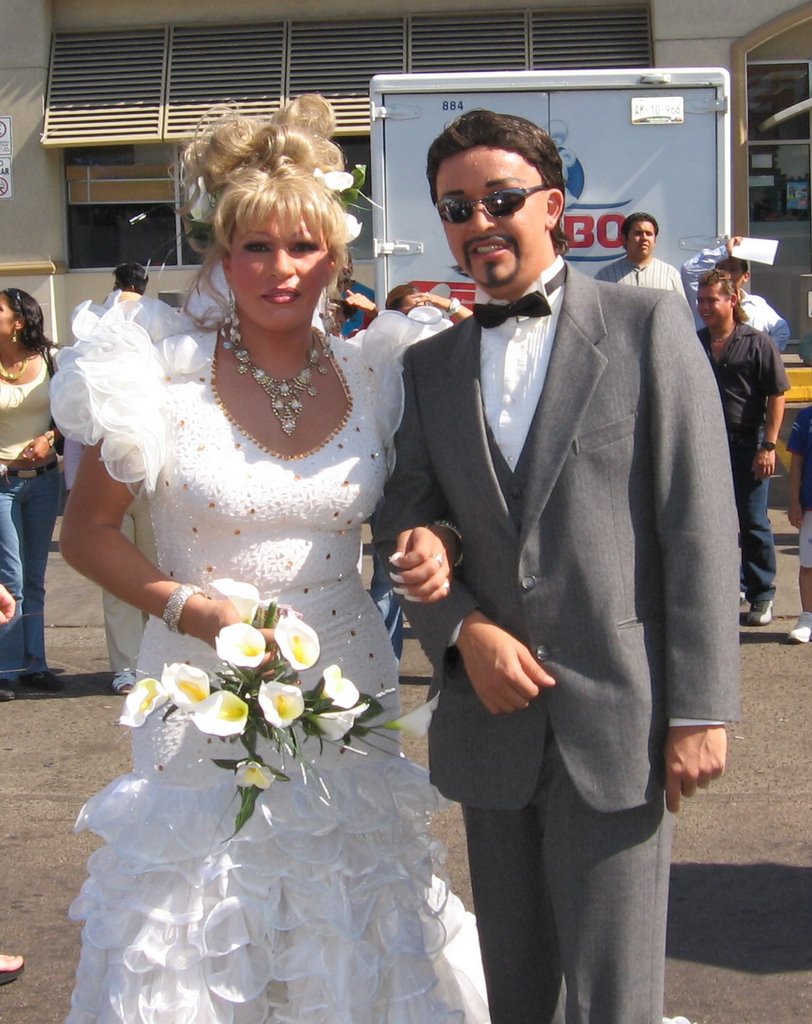
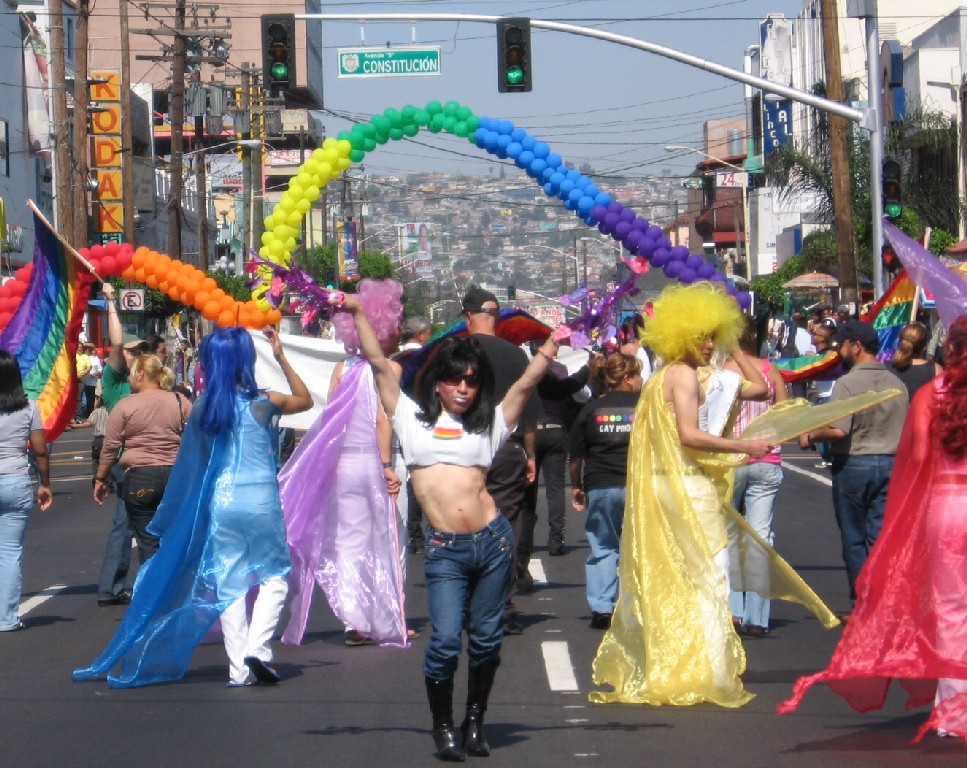
We went to Tijuana's gay pride parade a couple of weekends ago. About 200 people marched and many more watched from sidewalks. See Rex's story on the parade here. (Top picture courtesy of Rex. Click on the images to make them bigger.)

The parade traveled down Avenida Revolución, the city's main business and tourist thoroughfare.

Plastic surgery clearly is WAY too cheap south of the border.

A prideful soul shows her stuff in front of TJ's cathedral.

One of the few political statements made in the parade came from this couple. Not sure what message is being sent in the pic below.

Wednesday, June 21, 2006

Bring in the troops

National Guard members patrolling my old New Orleans neighborhood last October.
(click to make larger)

A lifetime ago, before Hurricane Katrina, I used to walk around my old crime-infested hometown of New Orleans and dream of squads of heavily armed soldiers patrolling the streets.

Over time, I became convinced that my fantasy was actually the best, and only, solution to the city's tragic bond with violence.

My prayers were answered by the storm.

Many nights after Katrina, usually when the power had failed, I sat on the steps in front of my Bywater house and greeted young guards from the state of Washington as they moved slowly down my street, a fully-armed message to punks and thugs to stay away.

They were kind, friendly, often chatty and showed deep empathy for the pain and suffering around them.

I started doing things I had never done before.
- Walking my dog alone after midnight.
- Leaving the steering wheel club in the back seat of my car at night.
- Walking the 10 or so blocks to the French Quarter at night.
- Answering the questions of strangers after dark.

In that new New Orleans - during the earliest weeks and months after Katrina - the brightest hope for the city actually seemed possible; that from all of the tragedy wrought by Mother Nature, the Crescent City would find salvation and redemption from the bloodbath that had stained its streets and choked its throat for the last two decades.

By the time I left New Orleans in late March, most of the soldiers had gone home and some things were all too quickly returning to normal.

In my last couple of weeks there, a Marigny resident was brutally murdered in a mugging near his home, countless armed robberies occurred in or near my neighborhood, and burglaries were again on the rise.

One afternoon, after covering a press conference by ministers in a flooded and abandoned neighborhood, I watched a couple of young guys carry an old clawfoot bathtub out the front door of an old shotgun house and hoist it into the back of a pickup on top of what had to be at least 15 other tubs just like it.

Some people probably winced at the recent return of soldiers to a great American city. I've been wondering why they ever left in the first place.

Tuesday, June 13, 2006

Ft. Collins, Colo.

We spent a good part of our time roaming the surprisingly large, well-preserved and vibrant turn-of-the-century Old Town city center. The area is buzzing with pedestrian traffic day and night, which feeds the large number of coffeeshops, nightclubs, restaurants and specialty stores. (Click on pictures to make them bigger.)

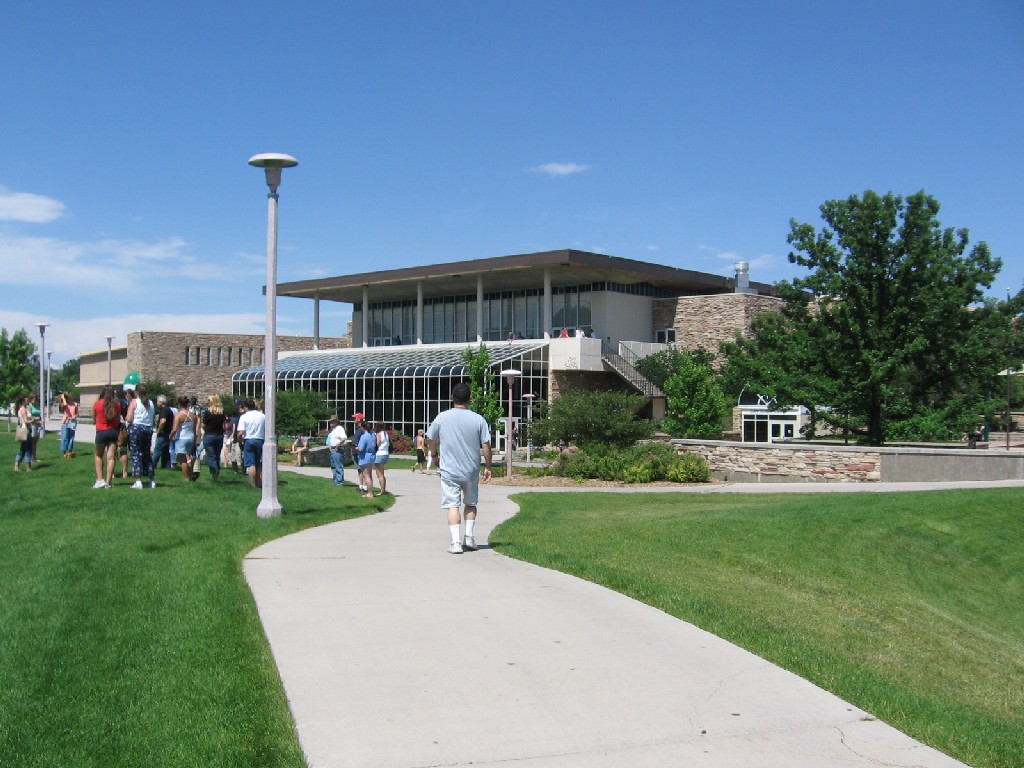
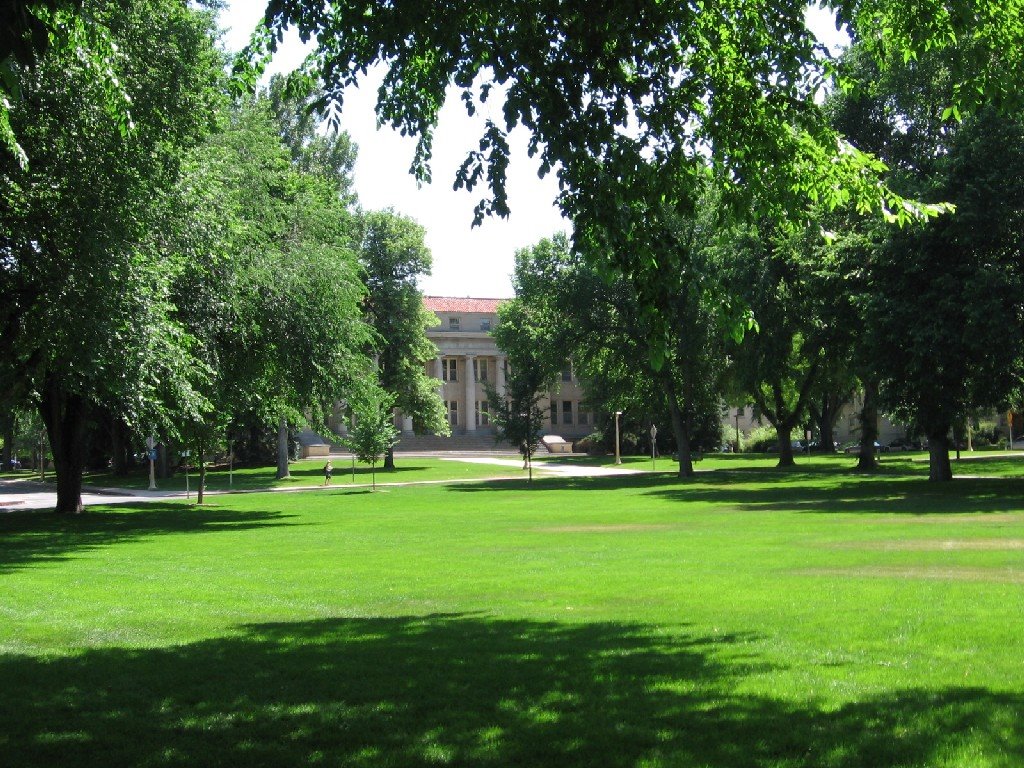
In the middle of the city is Colorado State University. The agriculture and mechanical college is pretty typical. There are some attractive green spaces (such as the Oval below) but most of the architecture (such as the student center above) is uninspired.

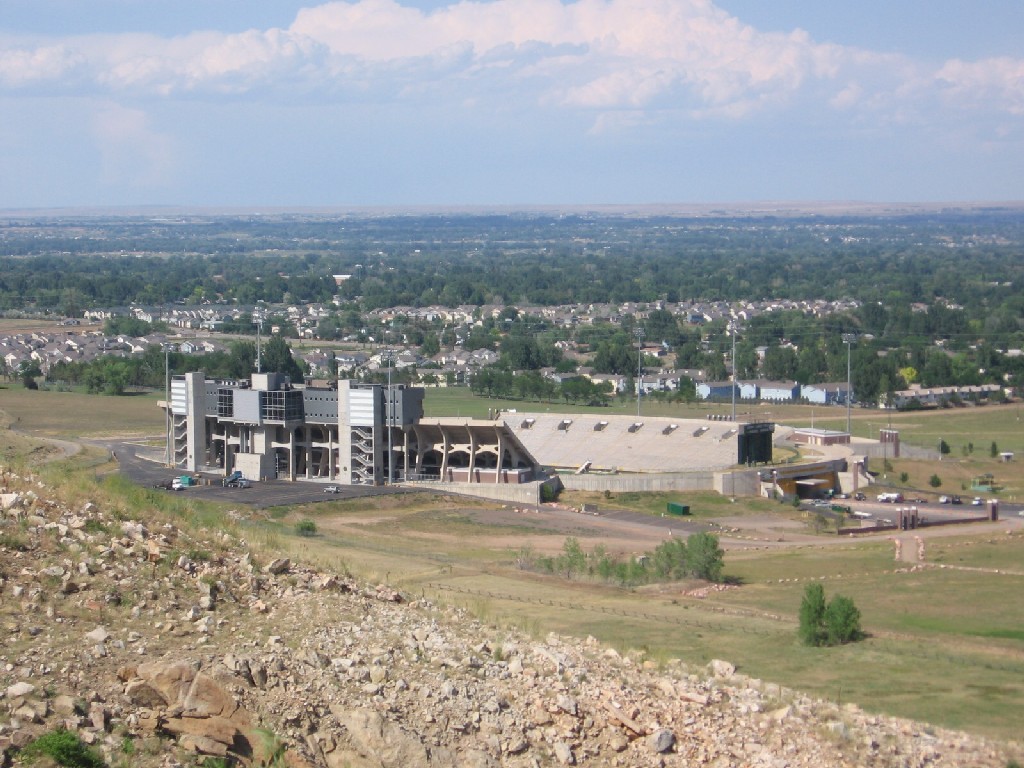
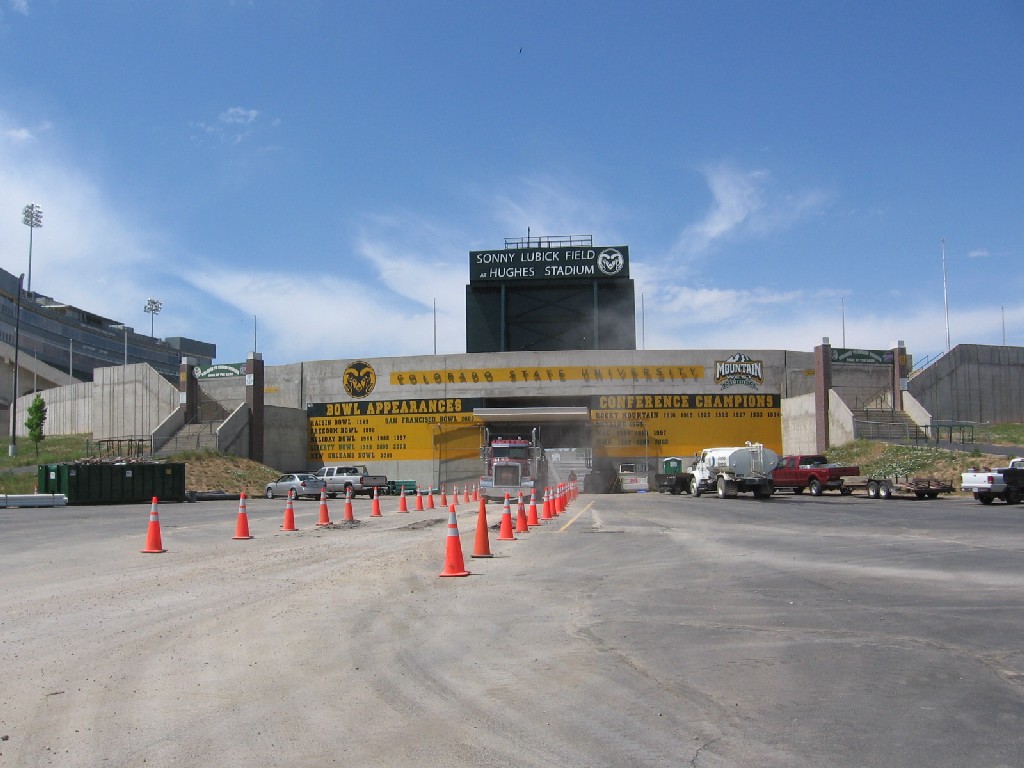
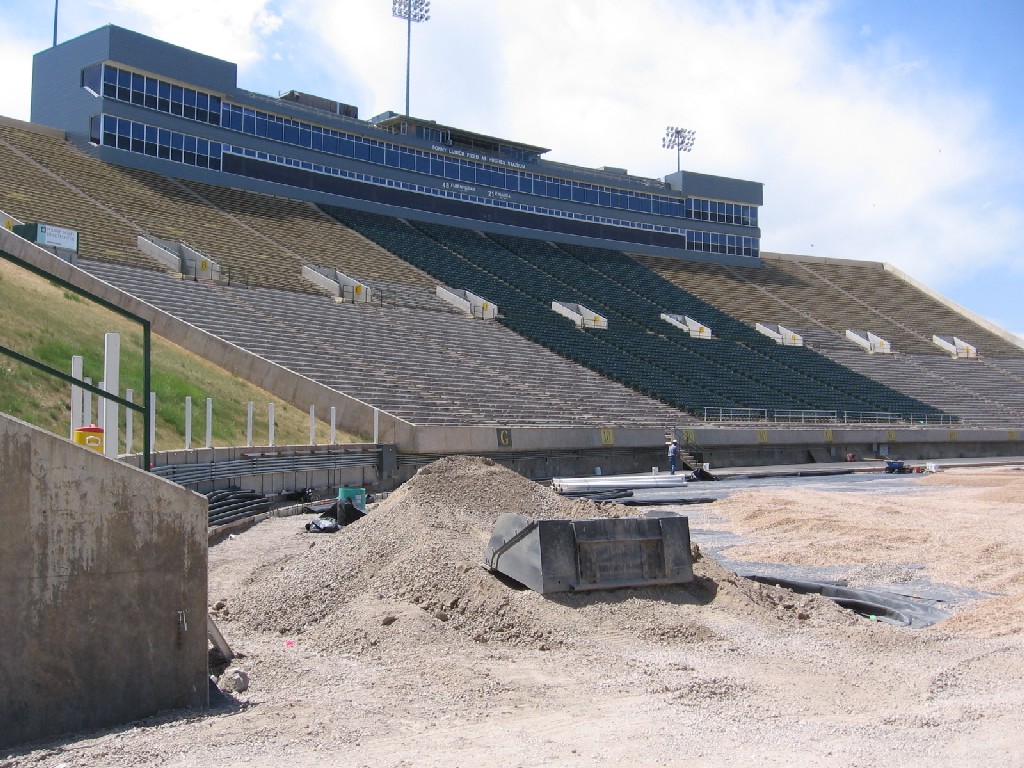
Speaking of uninspired architecture, on the edge of the city, at the base of the mountains a couple of miles from campus, is the home of the CSU Rams. Hughes Stadium doesn't come close to rivaling LSU's legendary Tiger Stadium, but it probably serves its purpose.


We were able to walk into the stadium thanks to major construction activity. Workers are replacing the field with a new one that will include a sophisticated underground drainage system. The U-shaped seating arrangement accomodates 30,000 fans, or a third of the capacity of Deaf Valley in Baton Rouge.

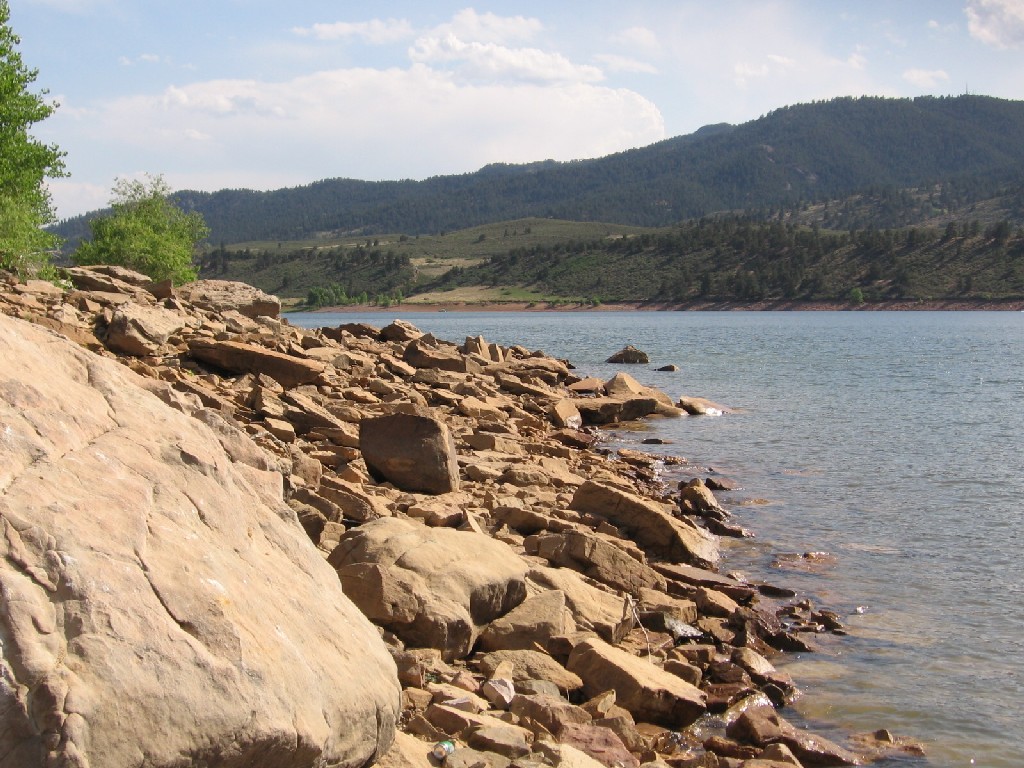
Nearby is Horsetooth Reservoir, a popular swimming and boating area that reminded me of Lake Travis near Austin, Texas.

Housekeeping arrives early

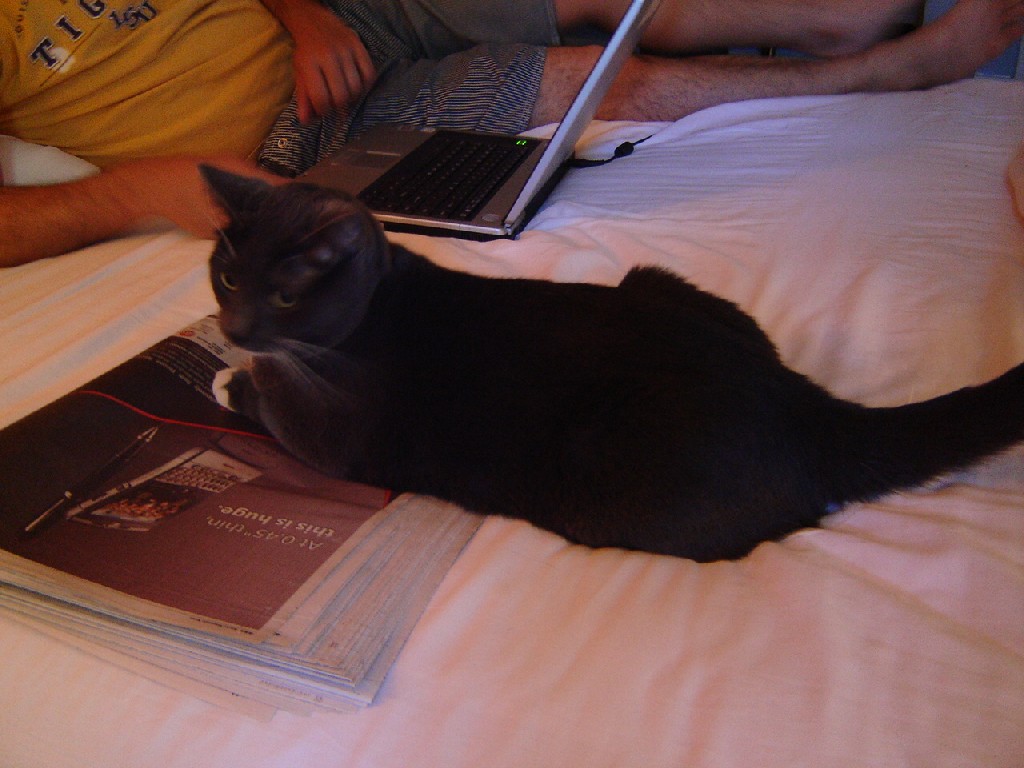
Oreo paid us an early morning visit in the Armstrong Hotel, a smartly renovated and surprisingly affordable boutique hotel in the heart of Ft. Collins' cosmopolitan Old Town.

Monday, June 12, 2006

Starbucks with a view

Here's a Starbucks that's hard to hate.

This version of the ubiquitous coffee chain sits in the middle of Estes Park, Colo., in the stunning foothills of the Rocky Mountain National Park.

It doesn't seem much different from any other Starbucks one might encounter in the middle of American suburban hell until you walk out the back door to a courtyard fronting the Big Thompson River.

There's nothing like sipping coffee under the bright sun to the sound of a rushing mountain river. (Click on pictures to make them bigger.)

Sunday, June 11, 2006

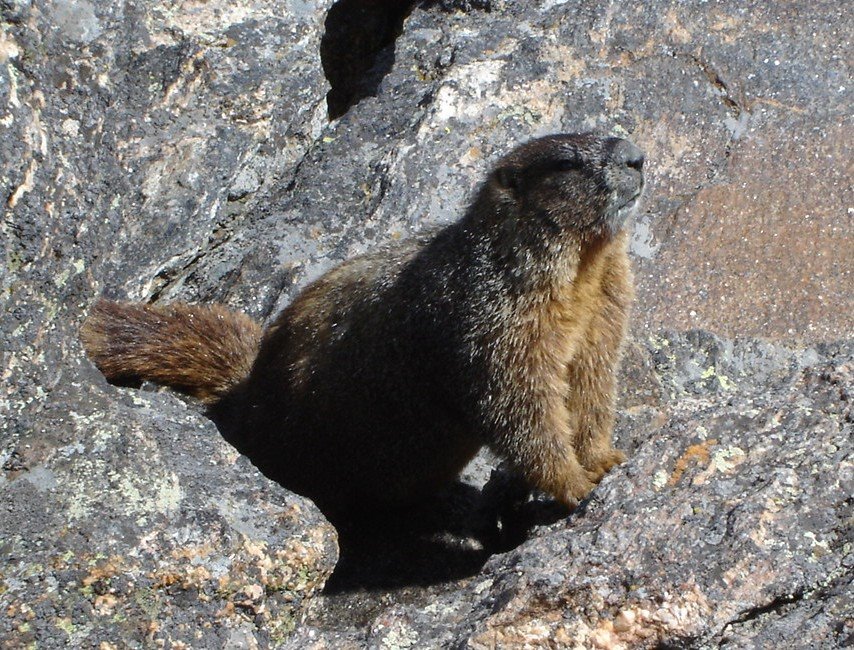
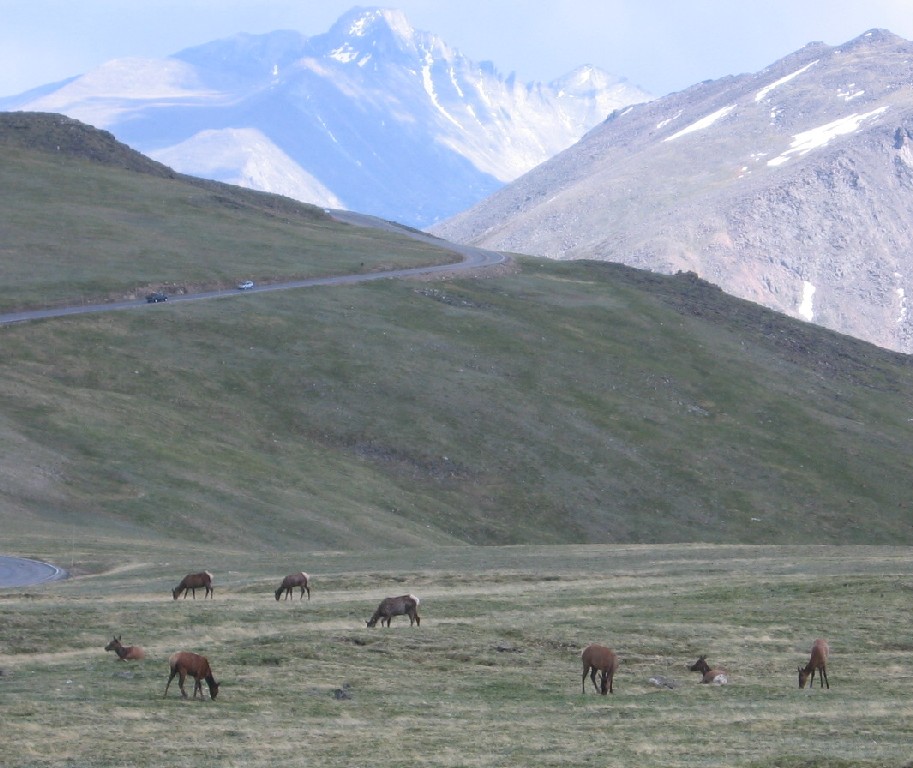
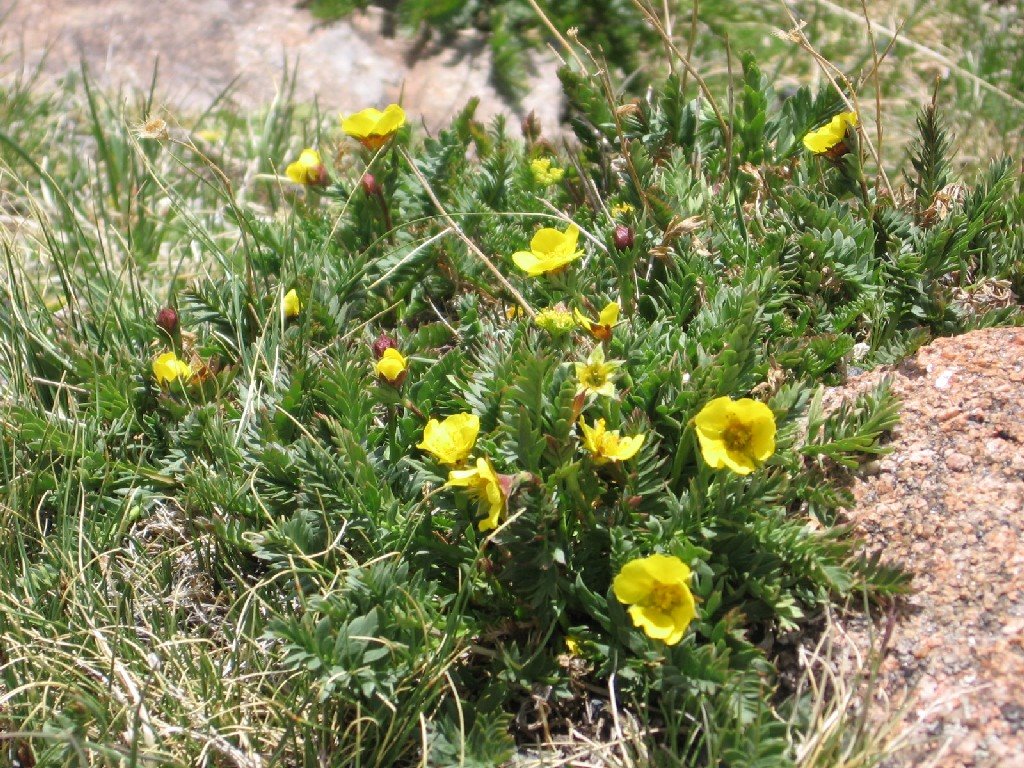
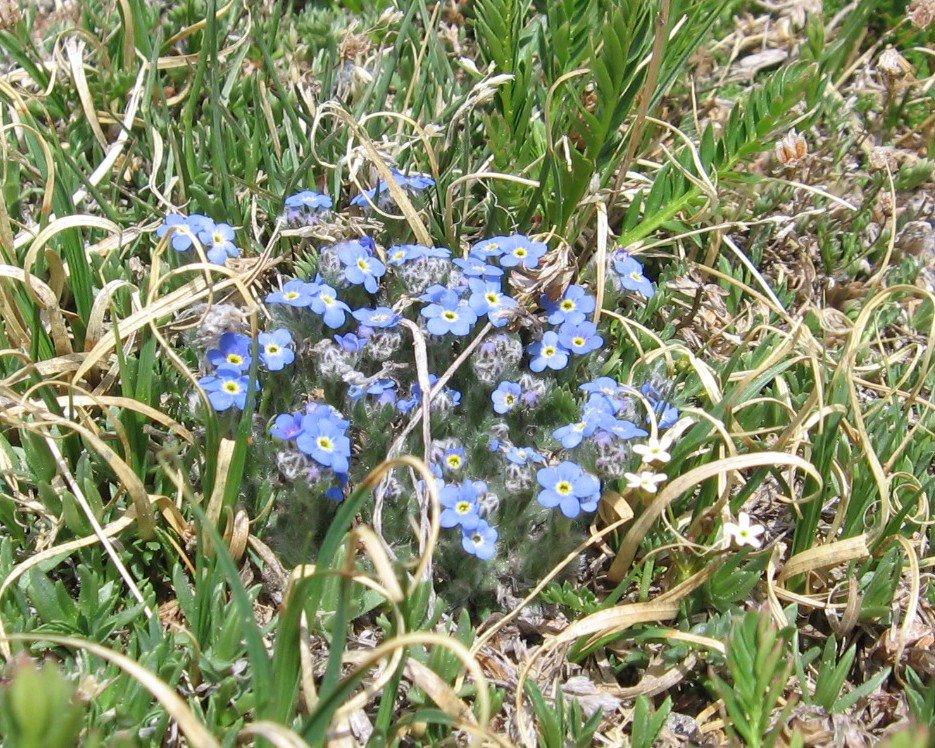
High Altitude Flora and Fauna

Marmots were in short supply during our tour of the Rocky Mountain National Park (we found this one sunning himself on a giant pile of granite) but mule deer were plentiful.

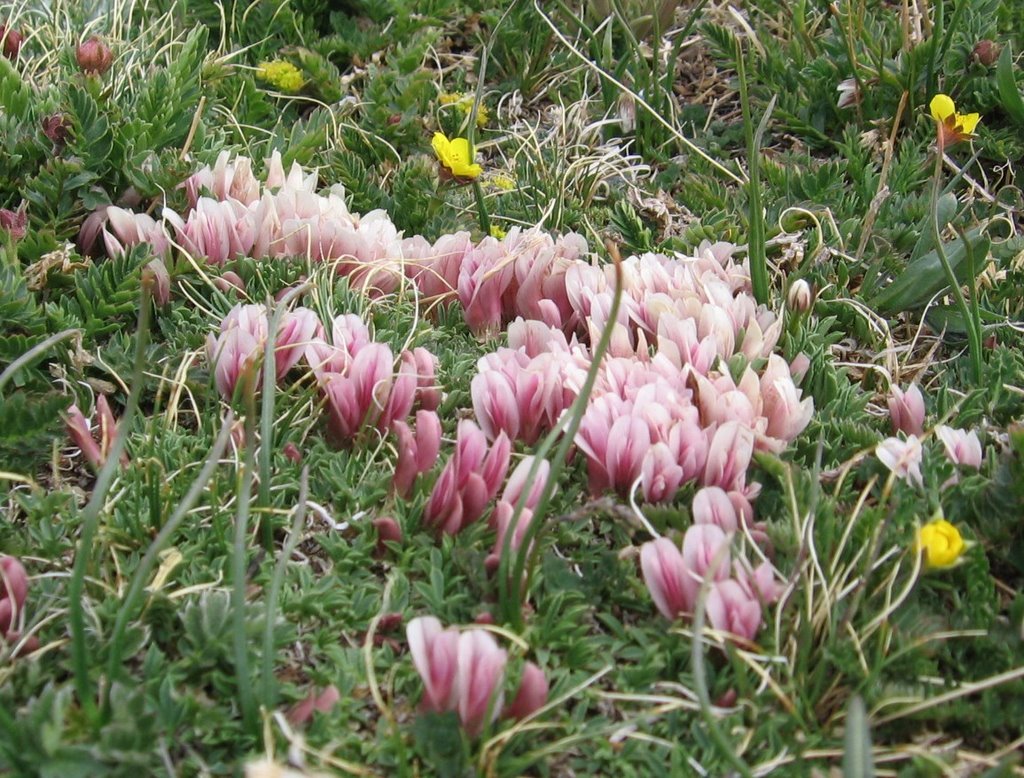
Tiny flowers, better suited to withstand the punishing winds of the alpine tundra, came in amazing variations.

Moss and lichens added to the carpet of color.


Rocky Mountain High

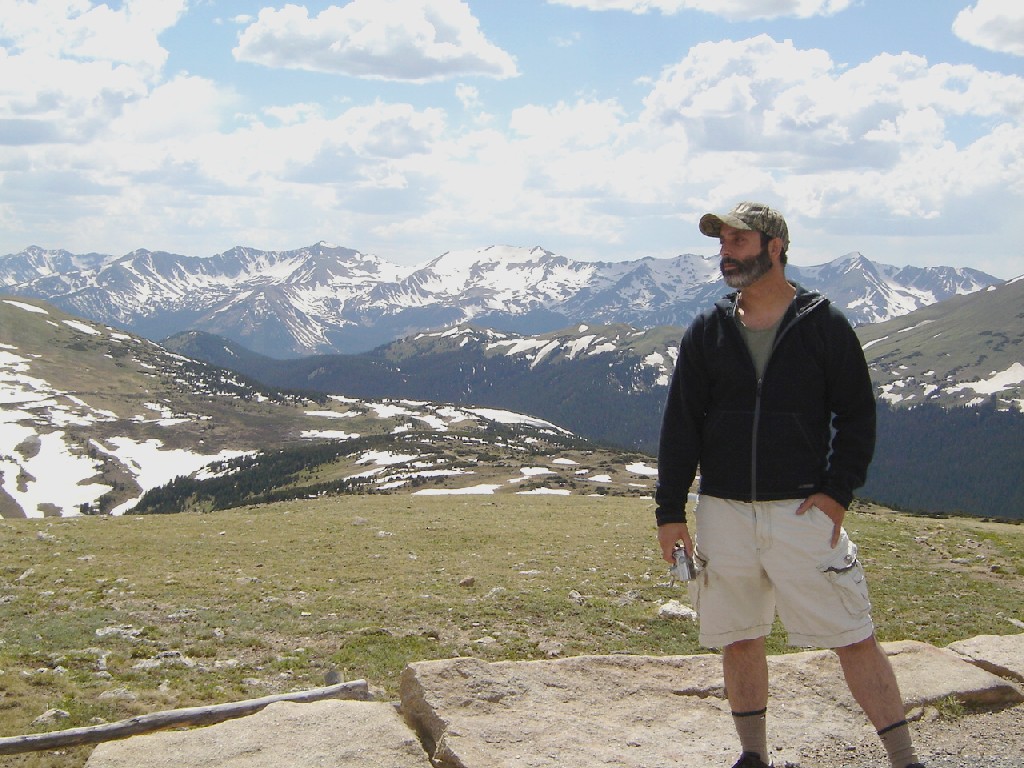
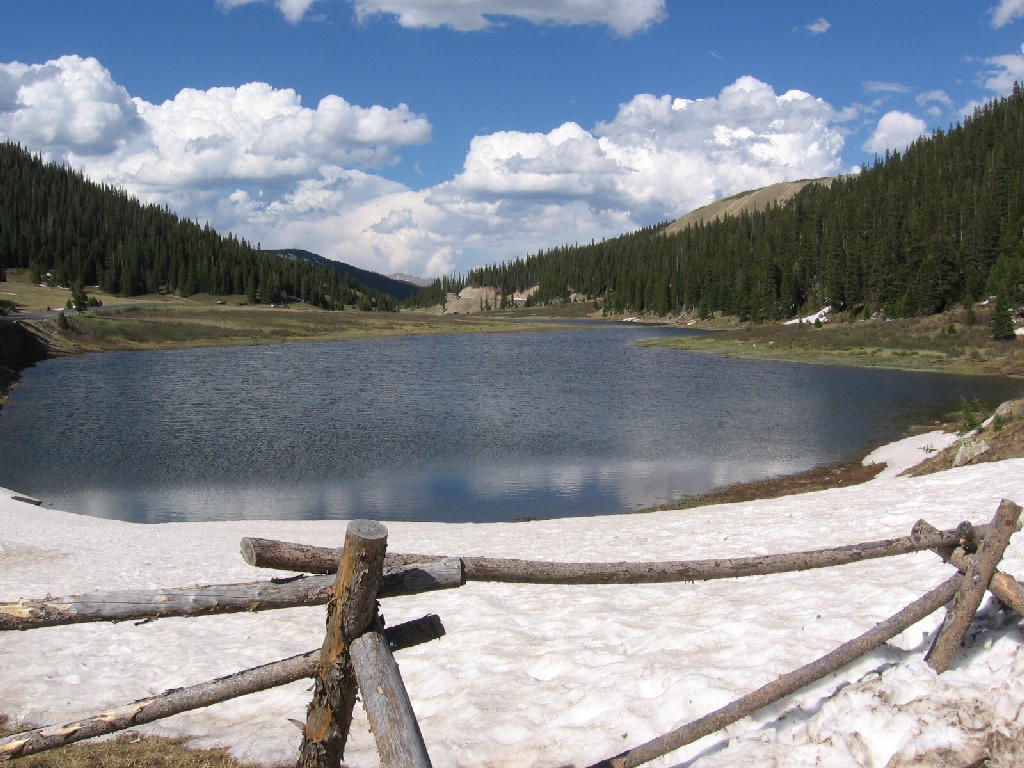
The world looks pretty spectacular from 12,000 feet high, at least when you're in the Rocky Mountain National Park in Colorado. (Click pictures to make them bigger.)

We're spending a few days exploring one of the most breathtaking parts of the country, but it hasn't been easy for someone who spent the better part of his life living below sea level in New Orleans.

The effects of high altitude - shortness of breath, slight dizziness, headache, rapid dehydration, serious fatigue - kicked in around the 8,000 foot mark.

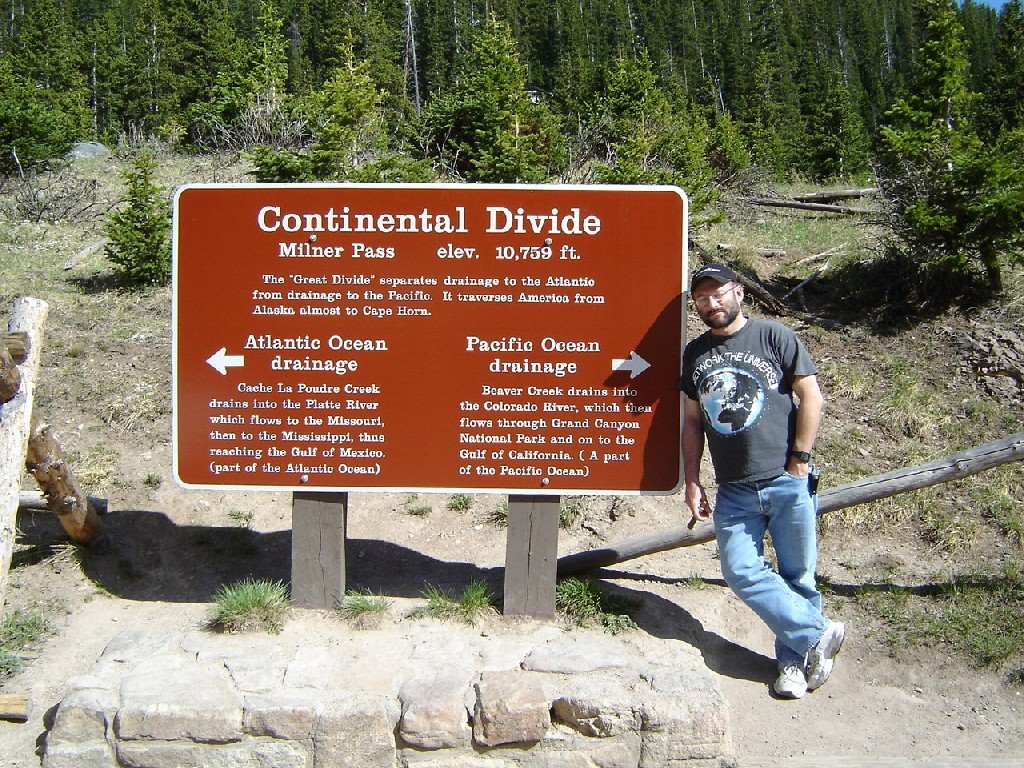
We ended our day-long treck through the park at the Continental Divide where water flowing on the east side runs toward the Atlantic Ocean and water flowing on the west side runs toward the Pacific.

Thursday, June 01, 2006